QUICK ANSWER
Compare surfaces and preparation first, then product specifications, coverage, protection and cleanup. Make exclusions explicit, especially trim, ceilings, repairs and furniture moving.
Build a room-by-room painting scope
Give each room a separate line and list walls, ceiling, trim and doors independently. Then record preparation and the approved finish for those surfaces. This makes a wall-only repaint easy to distinguish from a complete room repaint even when both proposals use the same room count.
Check how the painter measures a per-square-foot price. Floor area and painted surface area are different quantities. Ask for the measured basis, included surfaces and treatment of repairs before comparing rates from two providers.
| Line item | Write down | Resolve before starting |
|---|---|---|
| Surfaces | Walls, ceiling, trim and doors | Where each color stops |
| Preparation | Specific repairs and surface work | Who investigates recurring stains |
| Paint system | Product, primer where needed, sheen and color | Coverage expectations and extra coats |
| Protection and cleanup | Furniture, floors and daily access | Who moves and reinstalls items |
Create a room-by-room painting list
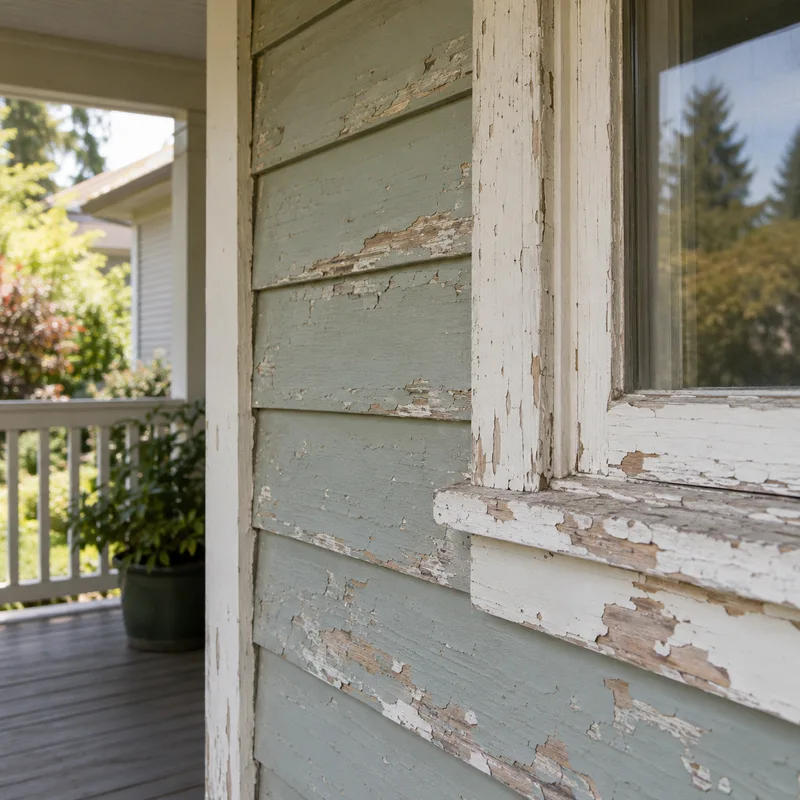
List the rooms and identify walls, ceilings, doors, frames, baseboards and other trim separately. Note surfaces that should stay untouched. Photograph peeling areas, visible patches and stains so the painter can discuss what needs attention before new paint is applied.
Explain how each room is used and when it can be unavailable. A busy hallway, a home office and a guest bedroom may need different scheduling arrangements. Decide who will move furniture, remove wall decorations and reinstall hardware; these small tasks can otherwise become last-minute surprises.
Ask what surface preparation includes
Request a description of cleaning, patching and other preparation appropriate to the surfaces. Ask how recurring stains or damaged material will be assessed before painting. A finish coat should not become a substitute for investigating an unresolved leak or a surface that is continuing to deteriorate.
For older homes, discuss the age of the building before work that disturbs existing paint. EPA recommends lead-safe certified contractors for renovation projects involving lead-based paint in pre-1978 homes. Ask the painter how they will evaluate the project and select appropriate work practices.
Resource: EPA: Lead-Safe Renovations for DIYers ↗
Specify the paint and review samples
Record the manufacturer, product line, color and sheen for each surface. Ask whether primer is included and how coverage will be handled. The phrase “premium paint” leaves too much open; a written product selection gives both you and the painter something concrete to review.
Look at samples in the room under daylight and your usual evening lighting. Consider the existing flooring, cabinets and furnishings before approving a color for every wall. Confirm who buys the samples and how a change after work begins affects price and timing.
Plan protection and access
Discuss how floors, furniture and adjoining areas will be protected. Agree on access to the work area, storage of materials and daily cleanup. Tell the painter about children, pets and household routines so the work can be organized around realistic constraints.
Ask for the product manufacturer’s ventilation and drying guidance and how it will affect room use. Dry-to-touch and ready for normal cleaning or furniture contact are not necessarily the same milestone. Avoid promising visitors a finished room until the painter explains the actual sequence.
Price preparation and access alongside the finish
A painting quote should identify the surfaces, preparation and products, not only a room count. Compare washing, scraping where appropriate, patching, caulking, primer and finish work as defined tasks. Ask who moves furniture, protects floors and restores removed hardware. High ceilings, detailed trim and difficult access can change the handling and labor involved. If staining or peeling reflects unresolved moisture, arrange assessment before repainting. Have older potentially hazardous coatings evaluated before disturbance. An extra coat of paint is not an explanation of how the underlying surface will be made suitable.
Review the finish under normal room lighting
At completion, walk through the agreed surfaces with the painter and note missed areas or unfinished details. Review the work under the lighting in which you normally use the room. Confirm that excluded areas and additional repairs are clearly documented rather than left as assumptions.
Keep the paint labels, color codes and care instructions for future touch-ups. Your initial request can simply list the rooms, surfaces, visible damage and timing. A careful scope makes the painting conversation more productive long before the first brush touches a wall.
For small repairs that should happen before painting, organize a handyman punch list first. →
Common questions
How many coats should an estimate include?
Ask for the proposed coating system and how the painter will achieve the agreed coverage. Existing color, surface condition and selected products can change the work. Do not assume that a generic coat count settles every surface.
Is paint included in a painting estimate?
It may be, but confirm the exact product and quantity basis. If you supply it, clarify who checks suitability and handles extra purchases, shortages or returns.
Why is one painter much cheaper?
Check whether the quote excludes ceilings, trim, repairs, primer, furniture moving or cleanup. Also compare access assumptions and the specified products before deciding the price difference is purely labor.
Ready to describe your project?
Start with what you know. You can add photos and more details along the way.
Start your project →