QUICK ANSWER
Ask every bidder to price the same project brief. Compare the quoted price plus known excluded work and your own purchases, then keep unresolved costs visible instead of treating them as zero.
A contractor bid comparison you can use
Make one comparison sheet with a column for each contractor. Mark every item as included, excluded, an allowance or unclear. An empty cell means you need an answer; it does not mean the work is free. Ask for a revised written proposal when the clarification changes the scope.
For a simple illustration, imagine one bid is $8,000 with $1,500 of necessary work excluded, while another is $9,000 with that work included. The comparable known totals are $9,500 and $9,000. These are invented figures to explain the method, not market prices. Unpriced concealed damage still belongs in a separate uncertainty list.
| Estimate item | What to record | Question to resolve |
|---|---|---|
| Scope and quantities | Rooms, dimensions and tasks | Are all bidders pricing the same work? |
| Products and allowances | Model or placeholder amount | What happens when the final selection changes? |
| Excluded work | Who supplies it and its known price | Who restores affected finishes? |
| Payment and changes | Milestones and approval process | When do I approve additional cost? |
Give everyone the same starting point
Write a short project brief before requesting estimates. Include the problem, the result you want, the approximate size of the area and anything that needs to stay. Add a few clear photos and your preferred timing. You do not need construction drawings to explain that a gate drags or that cabinet doors no longer close.
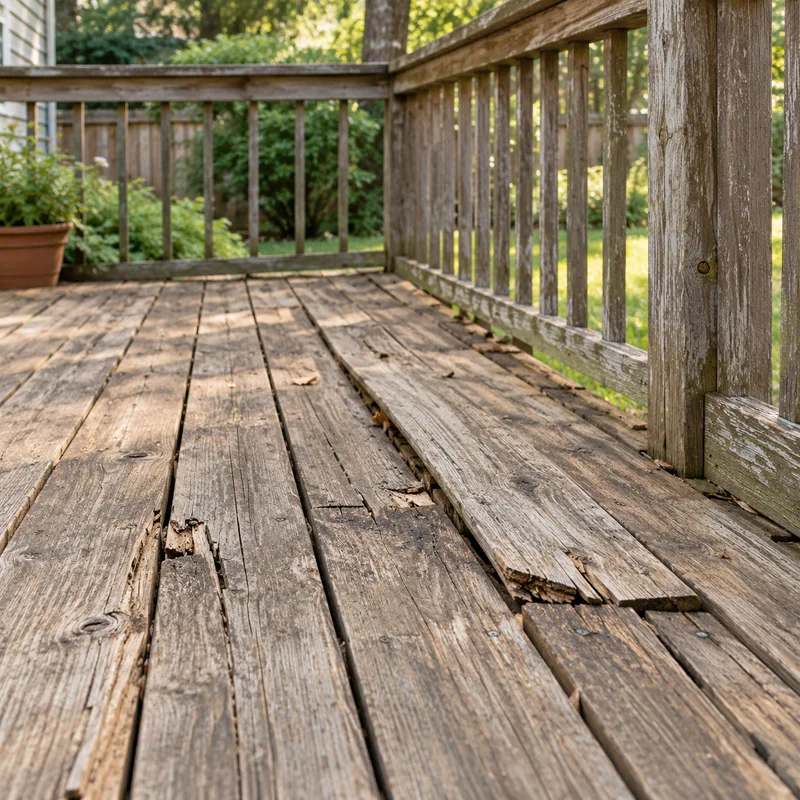
For example, ‘repair our deck’ leaves room for interpretation. ‘Assess the loose railing, replace visibly split boards and tell us whether the framing needs work’ gives contractors a clearer starting point. Ask them to separate the visible repair from any additional work that depends on an inspection.
- What needs fixing, and where?
- Which existing finishes or fixtures should remain?
- What access, parking or scheduling constraints affect the work?
- Which decisions are still open?
Read the scope before the total
Put the estimates side by side and mark what is included in each. Look for preparation, removal of old materials, installation, finishing, cleanup and disposal. An estimate for new flooring may include removal of the old floor but exclude subfloor repairs. That difference matters more than how polished the proposal looks.
Ask for product names or a clear description of the materials. ‘New cabinets’ could mean refinishing existing boxes, replacing doors or installing a completely new system. If one proposal includes painting and another leaves that to you, ask for an updated comparison rather than assuming the lower total covers everything.
Separate selected products from allowances
An allowance is a placeholder budget for something that has not been fully selected or priced. Ask which items use allowances and what happens if your choices cost more. Record whether the allowance includes installation, delivery and any applicable taxes.
Keep a separate list of unknowns, such as concealed damage or work behind walls. Ask how the contractor will document a discovery, price additional work and obtain your approval. A written change process helps you make decisions while the project is underway.
Check the business behind the estimate
Check the identity of the business that will sign the agreement and perform the work. Use the authority responsible for licensing or registration where your property is located, and confirm the requirements for the actual trade. Ask about experience with similar projects, current insurance evidence and references. The Federal Trade Commission recommends reviewing contractor credentials and getting written estimates. Treat these checks as part of your comparison rather than a substitute for a clearly defined scope.
Resource: FTC: avoiding home improvement scams ↗
Check requirements where the work will happen
Ask who is responsible for subcontractor coordination, permit applications and any required inspections. Make sure the scope identifies the businesses carrying out important tasks and the contact responsible for resolving questions. Compare these responsibilities across estimates instead of assuming every contractor includes the same coordination work. Keep any required approval separate from the product and workmanship checks you expect at handover.
Resource: FTC: contractor estimates and written agreements ↗
Make the final conversation specific
Before choosing, ask who will be your day-to-day contact, what has to happen before the start date and how progress will be communicated. Confirm the payment milestones, the cleanup plan and what written warranty information you will receive.
Keep the estimates, your questions and the answers in one folder. The best comparison is one you can explain in plain language: this proposal includes the work we need, these are the remaining uncertainties, and this is how changes will be handled.
Use the kitchen planning checklist to turn room priorities into a brief every bidder can price. →
Common questions
How many contractor estimates should I get?
When time and availability permit, compare several qualified providers using the same brief. Three is a useful planning target, not a guarantee of value. Two detailed, comparable proposals can tell you more than several unexplained totals.
Why are contractor bids so different?
Scope, access, product choices, staffing and assumptions about hidden conditions can differ. Ask each contractor to explain those differences before asking for a discount. An unusually low bid deserves clarification, not an automatic rejection or acceptance.
Is an estimate the same as a fixed price?
Do not rely on the document’s label alone. Ask whether the amount is fixed, an allowance-based proposal or a preliminary estimate, and have the pricing basis and permitted changes explained in the agreement.
Ready to describe your project?
Start with what you know. You can add photos and more details along the way.
Start your project →