QUICK ANSWER
Send a numbered list and photos before booking. Agree on the priority order, pricing basis, materials and a spending approval point if the visit expands.
Turn a repair list into a workable appointment
Use the sample rows below as a format, then replace them with your own observations. Avoid describing every item as a replacement before it has been assessed. A provider can evaluate a sticking door more usefully when you say where it rubs and whether that changed recently.
Ask for an appointment plan rather than an assurance that everything will fit. Product availability, wall conditions and additional assessment can change the work. Put optional tasks at the end so the provider knows what to defer if the approved time or budget is reached.
| Example task | Prepare before the visit | Agree on |
|---|---|---|
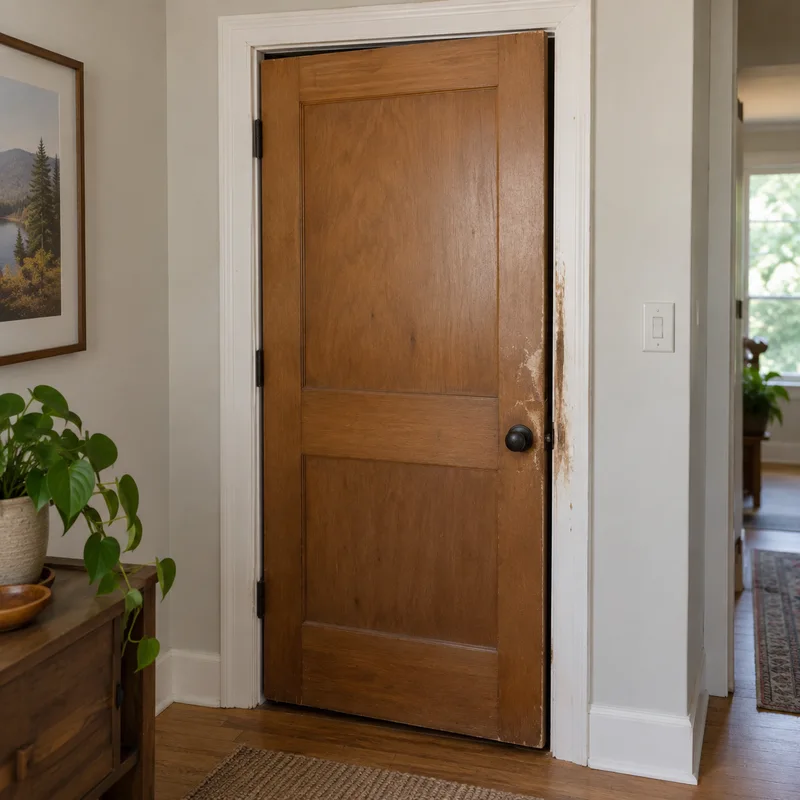
| Interior door rubbing | Photo and location of contact | Assess before deciding to replace |
| Cabinet hardware loose | Photos and any existing spare parts | Matching and purchasing responsibility |
| Shelf installation | Product, location and intended load | Suitability and fastening assessment |
| Small trim repair | Photo and desired finish | Whether painting is included |
Write down the problem in each room
Walk through the house and list one task per line. Describe what happens rather than naming a repair you have not confirmed. “Bedroom door rubs at the top corner” is more useful than “replace the door,” because it leaves room for the provider to assess the appropriate fix.
Add a photo for each item and mark the location. Separate work you need soon from optional improvements. A numbered list helps you refer to individual tasks when reviewing an estimate and makes it less likely that a small item will be forgotten during the visit.
Confirm the provider’s scope and qualifications
Ask which items the handyman is comfortable assessing and completing, and which should go to another trade. Electrical, plumbing, structural and other work may have licensing or permit requirements that depend on the project location and scope. Confirm those requirements with the relevant local authority.
Do not assume that grouping a task with smaller jobs changes the qualifications it needs. If an item involves an unknown leak, unstable component or concealed condition, describe it as a concern to assess. Allow the provider to explain whether a specialist should be involved before pricing the repair.
Decide who will supply materials
Record any products you already own, including model numbers and whether all parts are present. Ask the provider to confirm suitability before the appointment. A shelf, handle or fixture that looks right online may still require different fittings or preparation in your home.
Clarify who purchases additional materials and how shopping time, delivery and returns are charged. For visible finishes, discuss matching and acceptable alternatives. Keep product choices written down so the provider is not left to guess your preferred color or hardware style at the store.
Understand time, pricing and changes
Ask whether the work is priced by task, by time or with a minimum service charge. Confirm what the estimate assumes about access and existing conditions. If not every task can fit into one visit, agree on the order of priority before work starts.
Discuss how additional time or newly discovered work will be approved. A short visit can expand if a damaged component needs investigation or a part is unavailable. Set a communication point for those decisions so you can decide whether to proceed, defer or request another assessment.
Group the jobs by access and responsibility
Share the whole repair list before booking so the contractor can identify appropriate tasks, materials and any work requiring another trade. Note where each item is located and whether it needs an assessment before a price can be fixed. Compare a defined visit or task package with open-ended hourly work, including minimum charges, travel and material purchasing where applicable. Do not add electrical, gas or uncertain structural work casually to a small-repair visit. Ask how unfinished items and return visits will be documented when several jobs are bundled.
Prepare the rooms and review completed work
Clear access to the agreed work areas and arrange a place for tools and materials. Discuss parking, pets, household schedules and any surfaces that need protection. Have the list and selected products ready so appointment time can focus on the work.
At the end, review each numbered item together. Ask the provider to demonstrate repaired moving parts, record anything left unfinished and explain next steps. Keep the final list with the invoice. Your request can lead with the top three tasks and attach the rest, making the intended scope clear from the first conversation.
Use the painting checklist when small repairs also need patching, priming or a finished coat. →
Common questions
Is a handyman cheaper by the hour or by the job?
Compare the scope and pricing basis together. For hourly work, ask about minimums, travel, purchasing time and an approval limit. For a fixed task price, check exclusions and how new conditions are handled.
Should I buy materials before booking?
Send the product details first and ask the provider to confirm suitability. Buying early can help only when dimensions, parts and the intended installation are settled.
Can a handyman do every item on my list?
No single label establishes qualifications for every task. Ask about the specific work and verify applicable licensing or permit requirements for the location. Move specialist work to the appropriate provider.
Ready to describe your project?
Start with what you know. You can add photos and more details along the way.
Start your project →