QUICK ANSWER
Compare a repair that addresses the diagnosed problem with a complete replacement scope. Include trim, opening repairs and installation work in the comparison, and keep energy-savings assumptions separate.
Separate the window problem from the sales package
Record every affected window by room, not just the number of units. Ask the assessor to explain the problem at each opening and whether the same recommendation applies to all of them. One badly damaged frame does not establish the condition of windows elsewhere in the house.
When comparing costs, ask what each option leaves in place and what future work is already known. A repair-to-replacement price ratio is not a universal rule: availability of parts, condition of the opening and the outcome you need can change the decision.
| Concern | Ask about a targeted option | Ask about a broader option |
|---|---|---|
| Difficult operation | Hardware or sash assessment | Replacement if a practical repair is unavailable |
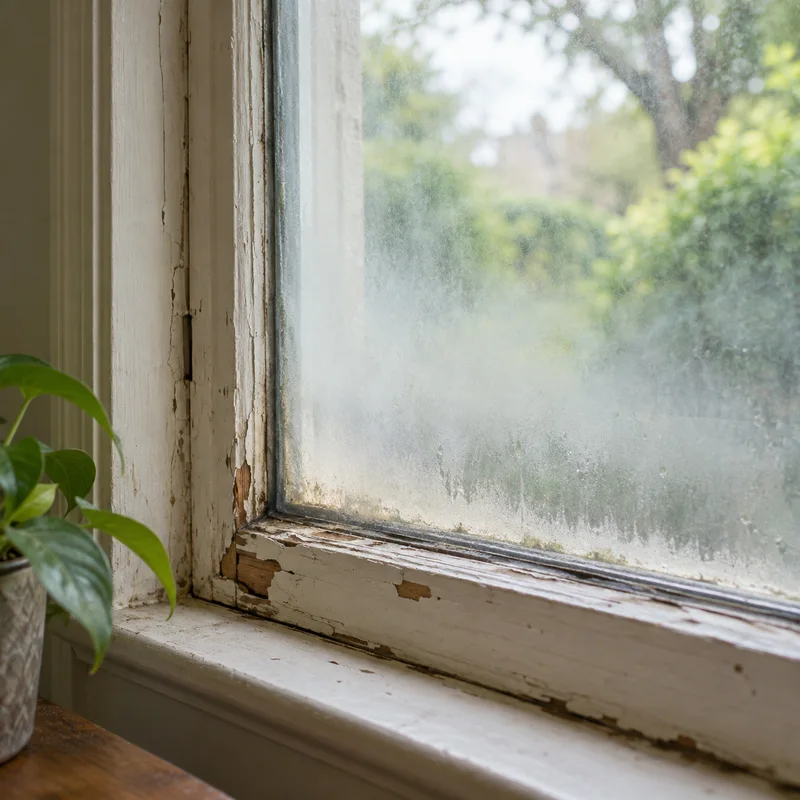
| Fogging between panes | Glazing or sash service for the product | Full unit scope if components cannot be serviced |
| Draft near the opening | Locate the air path before selecting a fix | Assess surrounding installation where needed |
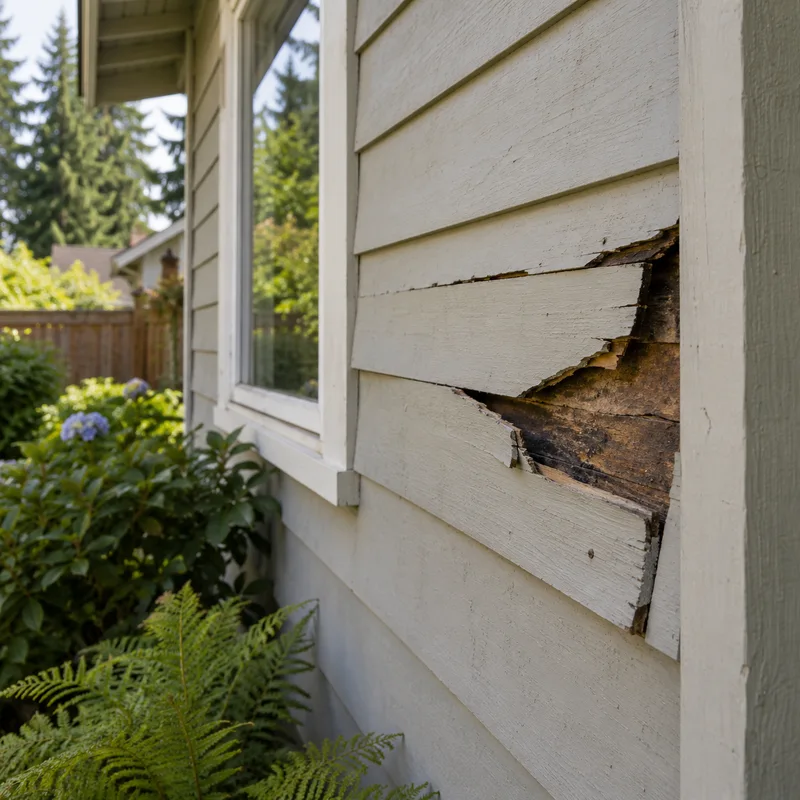
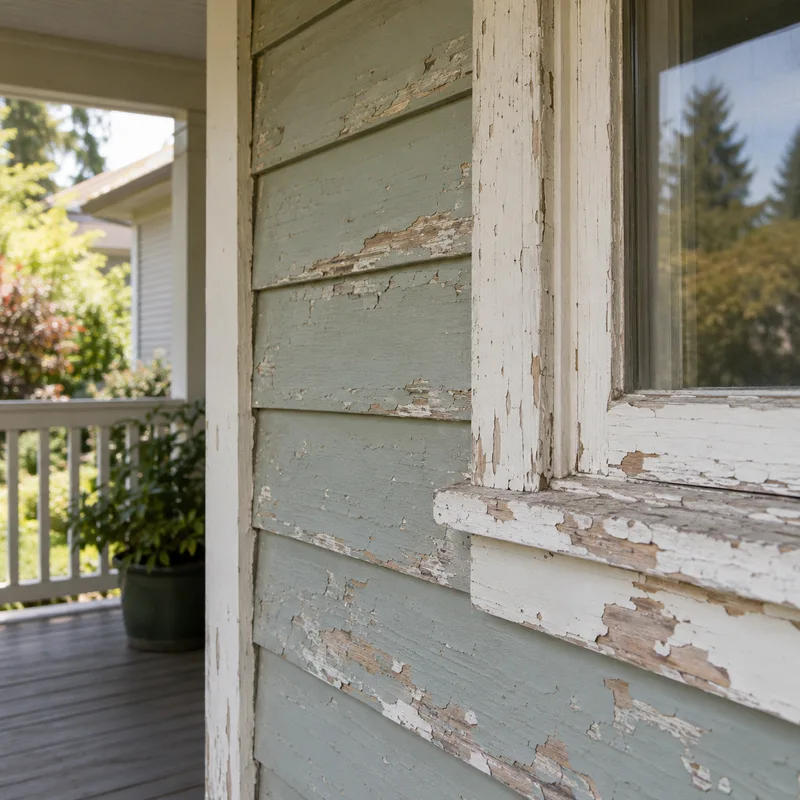
| Deteriorated frame or trim | Determine the extent of affected material | Include opening restoration in replacement pricing |
Describe the window problem precisely
Make a short inventory by room. Note which windows are hard to open, which feel drafty and where moisture appears. Record whether water sits on the room-side glass, appears between panes or stains the surrounding wall. These observations give the assessor a better starting point than the general statement that the windows are bad.
Take one photograph showing the whole opening and another showing the detail. Include the approximate age or product label if you can find it without dismantling anything. Do not force a stuck sash or remove trim to gather evidence. Mention whether the problem happens only in cold weather, after wind-driven rain or throughout the year.
Ask which parts can be repaired
A repair assessment can consider hardware, weatherstripping, glazing components and the condition of the frame. Ask which parts are available for your specific window and whether the proposed work addresses operation, air movement, water entry or appearance. Different repairs solve different problems; one item on the estimate should not quietly stand in for all of them.
The Department of Energy’s air-sealing guide distinguishes caulking for stationary gaps from weatherstripping for moving components. Use that distinction to ask better questions about drafts. Have the professional identify appropriate locations and products instead of applying sealant indiscriminately around an opening.
Resource: U.S. Department of Energy: Consumer Guide to Air Sealing the Home ↗
Understand what replacement would include
If replacement is recommended, ask for the findings that support it. Request an explanation of the frame condition and how the proposed installation handles the surrounding opening. An insert replacement and a more extensive removal can have different effects on trim, finishes, visible glass area and the ability to address concealed damage.
Compare the exact window model, operating style, glass options and installation method. Ask what happens to interior trim, exterior finishes, screens and blinds. A price for the product alone is not a complete replacement estimate. Include removal, disposal, finish repairs and any work that depends on the condition uncovered during installation.
Put comfort and energy claims in context
Tell the contractor what you want to improve: cold seating areas, difficult operation, outside noise or recurring water concerns. Ask how the proposed solution relates to that specific goal. A window that operates smoothly may still leave a room uncomfortable if other parts of the home need attention.
Avoid building the decision around an unverified promise that replacement windows will pay for themselves within a fixed number of years. Any savings estimate should explain its assumptions about your climate, existing windows, energy use and installation. Compare that information alongside repair cost, usability, maintenance and your plans for the home.
Prepare a window estimate checklist
Request separate prices for the affected openings and any optional whole-house package. This makes it easier to compare a focused repair with a broader upgrade. Clarify who measures before ordering, how custom products affect the schedule and what happens if the delivered unit is damaged or does not fit.
- List every included opening by room and size.
- Record product models and installation details.
- Separate known repairs from concealed-condition allowances.
- Identify trim, painting, disposal and cleanup responsibilities.
- Ask for product and installation warranty terms in writing.
Include the opening and its surroundings in the price
Ask the contractor to separate the window product from the work needed at the opening. Retaining a serviceable frame and replacing the complete unit can have different trim, flashing and interior-finish boundaries. Record measurements, glazing choices, screens, hardware and who restores disturbed surfaces. Discuss access and protection for each floor of the house. If deterioration becomes visible during removal, request photographs and a revised repair scope before the opening is closed. Compare the cost of a complete usable installation, not just the price of the window itself.
Send a request that invites a useful assessment
A clear message could say: “Two bedroom windows feel drafty, and one is difficult to close. We would like to understand repair options before considering replacement. Photos show the interior, exterior and the affected corners.” Add your ZIP code and any access constraints.
Before authorizing work, confirm the agreed scope and how additional findings will be documented. During the final walkthrough, ask the installer to demonstrate opening, closing and locking, and review the care instructions. Keep the final proposal and product information where you can find them for future maintenance.
Common questions
Does condensation mean I need new windows?
Not automatically. Tell the assessor whether it is on the room-side surface or between panes and when it occurs. Those are different observations, and neither should be diagnosed from the word condensation alone.
Can I replace only some windows?
A staged project may be possible. Ask how matching, installation minimums, warranties and access affect the plan, and make sure each included opening is identified on the quote.
Are replacement windows guaranteed to lower my bill?
A savings claim depends on the existing windows, climate, household energy use and installation. Request the assumptions behind any estimate instead of using an unsupported payback period to decide.
Ready to describe your project?
Start with what you know. You can add photos and more details along the way.
Start your project →