QUICK ANSWER
For active, uncontrolled water entry, seek prompt help. For intermittent concerns, record timing and visible evidence, then separate leak detection, repair and finish restoration in the estimate.
A leak log that helps the diagnostic visit
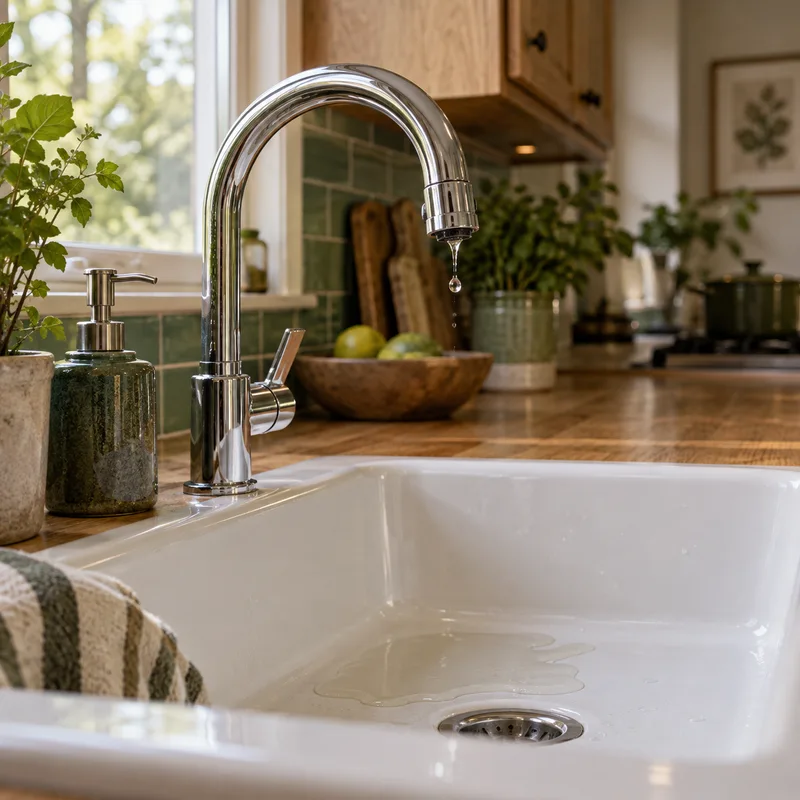
Use three notes for each observation: time, fixture use and what changed. A cabinet that becomes damp after draining a sink presents a different pattern from a drip that continues when nothing is being used. These clues guide investigation; they do not establish the failed component.
EPA WaterSense describes comparing a water meter before and after a two-hour period without water use as one way to look for a possible leak. If the meter is accessible and the test is practical, record the readings for the plumber. A change does not locate the source; irrigation or other water-using equipment also needs to be accounted for.
| Observation | Useful detail | Request |
|---|---|---|
| Faucet dripping | Whether it continues after closing | Fixture diagnosis and repair options |
| Toilet refilling | Frequency when not in use | Inspect the flushing and refill components |
| Damp sink cabinet | Whether it follows filling or draining | Locate the source before replacing parts |
| Unexplained water use | Meter readings and household use changes | Leak detection scope and diagnostic fee |
Resource: EPA WaterSense: Finding and fixing household leaks ↗
Describe the symptom and when it happens
Identify the fixture or area involved and write down when you first noticed the problem. Does the faucet drip after use? Does moisture appear only when the sink drains? Is the toilet refilling even when nobody has used it? A pattern can help the plumber decide which parts of the system need attention.
Take photographs from a dry, safe position. Include one wide view and a close-up of visible moisture or staining. Avoid opening walls or loosening fittings just to produce a better picture. If water is actively spreading, arrange prompt help and keep people away from electrical equipment or affected outlets.
Gather useful information before the visit
Share the fixture brand and model if a label is readily accessible, and mention previous repairs. Tell the plumber whether more than one fixture is affected and whether your water use has changed. A higher bill is useful context, but it does not identify where a leak is located.
EPA WaterSense includes dripping faucets and running toilets among common household leak concerns. Its homeowner resources can help you recognize issues worth discussing with a plumber. Use observations to describe the problem rather than assuming that a familiar symptom always has the same cause.
Resource: EPA WaterSense: Home Maintenance ↗
Clarify what the diagnostic visit covers
Ask whether there is a service-call or diagnostic fee and how it relates to any repair you approve. Explain access restrictions, parking arrangements and the location of the affected room. For a rental or shared building, clarify who can authorize work and coordinate access before booking.
If the source is concealed, ask how the plumber intends to investigate and when you will receive an updated estimate. Agree on an approval point before opening a finished surface or expanding the scope. Knowing what the initial visit includes makes the final invoice easier to understand.
Compare the complete repair scope
A plumbing repair may leave work for another trade. Ask whether the proposal includes opening and closing a wall, replacing damaged cabinet material or restoring paint. Keep those tasks on your project list even when they will be priced separately.
Compare the specified replacement parts, labor, access work and cleanup. If fixture replacement is proposed, ask why repair is unsuitable and whether the new fixture changes any surrounding finishes. Record product choices and who will order them before approving a fixed installation date.
Ask which business owns the full repair
Confirm who diagnoses the plumbing issue, who performs any required regulated work and who restores affected walls, cabinets or flooring. Ask whether shutoffs, access openings, testing and cleanup are included. Discuss the product specifications and compatibility of any proposed replacement before ordering. If the cause or extent remains uncertain, separate investigation from the final repair price. Keep the records of the assessment and completed work together. A plumbing proposal that fixes a connection may intentionally exclude the surrounding restoration; identify that boundary before comparing it with a more complete package.
Check the result and keep a repair record
At the walkthrough, ask the plumber to explain what was found and demonstrate the repaired fixture. Review any follow-up observations they recommend and collect product or workmanship warranty information. Keep photographs, the final invoice and the explanation together for future reference.
A useful first request might say: “The cabinet beneath our kitchen sink becomes damp after washing dishes. We noticed it this week and have photos of the area. We would like the source assessed and a written repair recommendation.” Add your location and timing needs without guessing which component has failed.
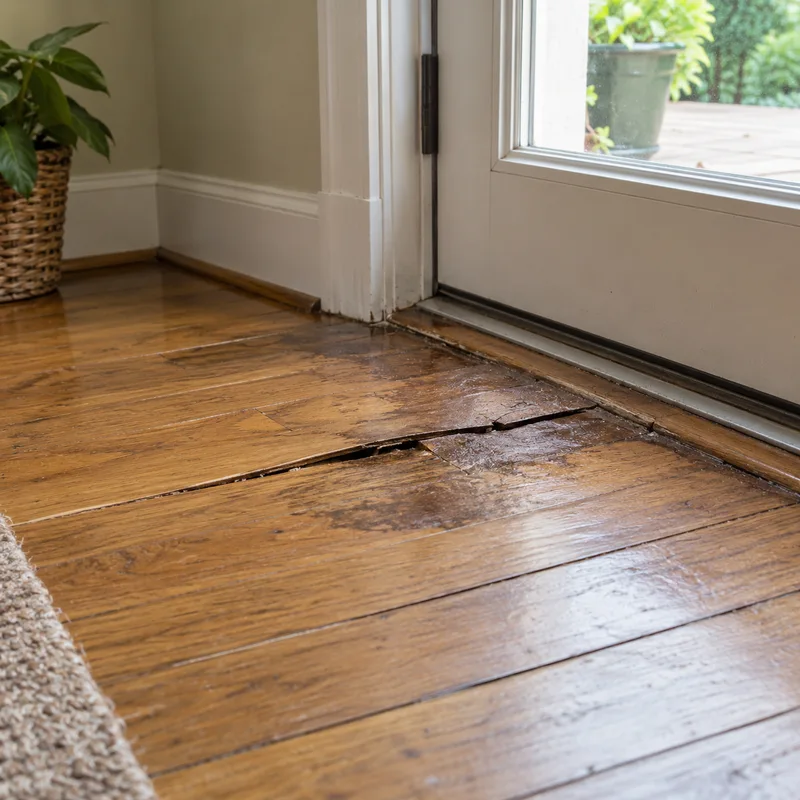
If damaged flooring also needs attention, use the flooring checklist to plan the follow-on work. →
Common questions
Can a high water bill prove I have a leak?
No. A billing change, irrigation or other use may explain it. Compare the billing period and actual usage, record relevant changes and discuss unexplained increases with your utility or plumber.
Will a plumber repair the wall after fixing the pipe?
That depends on the agreement. Ask who opens and restores the surface and whether drying or material replacement is a separate service. Keep that work in your overall budget.
What should I ask about a leak detection fee?
Ask what investigation it covers, whether it is credited toward repairs, and what happens if access or specialist equipment is needed. Confirm the approval point before additional work starts.
Ready to describe your project?
Start with what you know. You can add photos and more details along the way.
Start your project →