QUICK ANSWER
Choose the schedule from the roof condition, a product-specific weather plan and contractor readiness. Urgent damage and elective replacement need different decisions.
Separate urgent protection from planned replacement
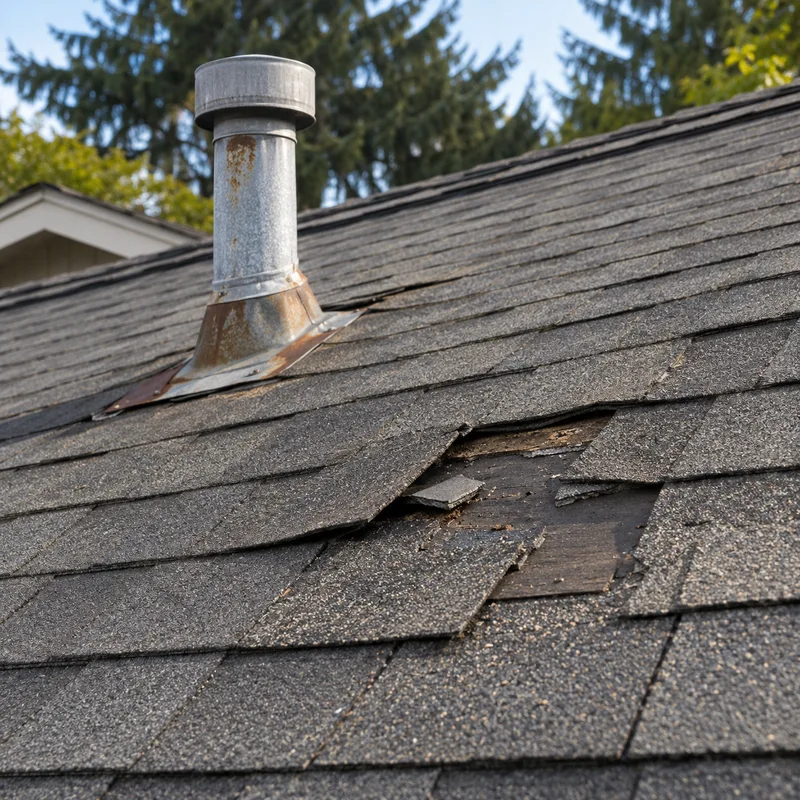
Active water entry or damage may require prompt professional attention even when a full replacement cannot begin immediately. Ask what temporary protection or targeted repair is appropriate and what it does not solve. Keep that initial work separate from the later project so its scope is understandable. For elective work, use the planning period to assess the roof and compare options. Waiting for a favored season is not a substitute for addressing a condition that is already affecting the home.
| Decision | What to record |
|---|---|
| Condition | Urgent protection versus elective work |
| Weather | Selected product requirements and pause plan |
| Readiness | Materials, approvals and coordinated access |
Ask about the actual installation conditions
Different materials have different requirements for temperature, moisture and application. Ask the contractor which product will be installed and how its instructions affect the proposed dates. Review what happens if rain, wind or other unsuitable conditions interrupt the job. A statement that the crew works year-round does not explain the protection plan. Ask how the daily work area will be limited, secured and checked so the project is not opened beyond what can be safely covered.
Confirm the job can start without avoidable gaps
Check material availability, required approvals and the crew responsible for installation. Ask whether supporting-material repairs could change the sequence and how replacements would be sourced. Coordinate access, parking, delivery and debris removal before the first day. If another project involves rooftop equipment or exterior transitions, discuss the order with both contractors. The most convenient appointment is not necessarily the most reliable one when essential products, decisions or coordination remain unresolved.
Compare the delay plan as well as the start date
Request a realistic work sequence and a contact who will communicate changes. Ask which stages depend on inspections or product-specific waiting periods. Record what protection remains during any pause and who checks it. At handover, obtain installation and care information suited to the roof actually installed. A well-explained delay plan is more useful than a promise that weather will cooperate or that a particular month guarantees a faster, cheaper result.
Common questions
Is summer always the best roofing season?
No. Conditions vary by climate and product. Ask the installer to explain the required conditions and protection plan for your specific assembly rather than relying on a nationwide calendar rule.
Can roofing happen during unsettled weather?
The contractor must assess whether the work and protection can meet applicable requirements. Ask how the open area will be controlled and what triggers postponement or a pause.
Should I wait for a discount to fix a leak?
Arrange an assessment of active damage promptly. A future replacement discount does not resolve current water entry or establish whether waiting is appropriate.
Ready to describe your project?
Start with what you know. You can add photos and more details along the way.
Start your project →