QUICK ANSWER
Confirm who addresses pest activity and who repairs the building. Keep inspection and stabilization separate from closing the area so uncertainty is not hidden behind new finishes.

Establish whether the condition is active
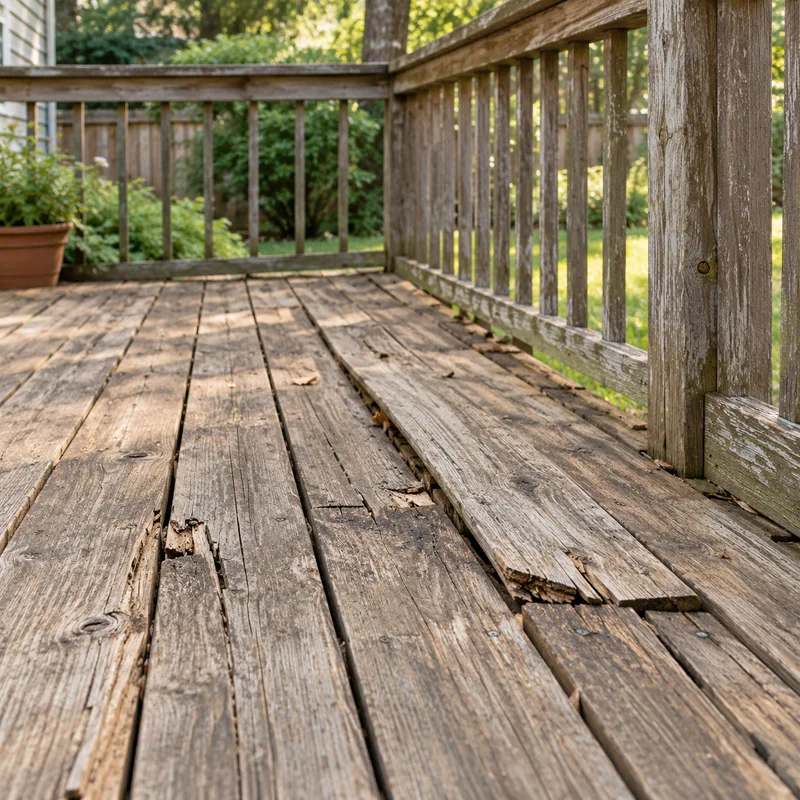
Arrange appropriate pest assessment rather than identifying the problem solely from a photograph of damaged wood. Ask what evidence supports the findings and which treatment or prevention steps are proposed. Keep any treatment agreement separate enough to understand its coverage and limitations. A construction contractor may repair damaged material without providing pest-control services. Identify the responsible businesses and the order of their work before paying for a finish repair that depends on another task being completed.
| Decision | What to record |
|---|---|
| Assessment | Activity, extent and qualified responsibilities |
| Cause | Moisture and entry corrections |
| Completion | Treatment records, repair evidence and finishes |
Map the damage without assuming its extent
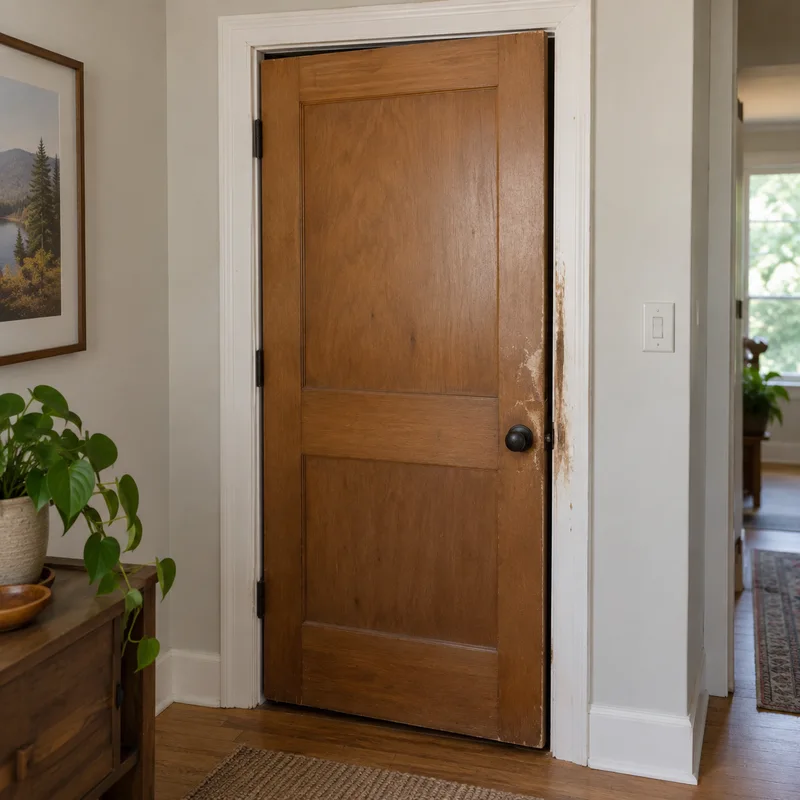
Document accessible affected areas and discuss whether controlled investigation is needed. Visible damage may not describe every component, especially near supports, connections or concealed cavities. If the integrity of a floor, wall or other load-bearing part is uncertain, obtain qualified assessment and safe access guidance before removal. Ask what can remain, what must be replaced and how the proposed repair connects with sound material. A cosmetic patch should not be presented as a structural conclusion.
Include moisture and entry conditions
Ask whether leaks, drainage, openings or other site conditions affect the repair plan. The businesses involved should explain which corrections belong to their scopes. Replacing material can be incomplete when the condition that contributed to damage remains. Record how transitions, access and surrounding finishes will be restored. Avoid accepting a broad prevention guarantee without understanding the treatment, inspection and maintenance conditions behind it. The practical goal is a defined correction plan with each interface assigned.
Compare treatment, repair and restoration costs
Request separate descriptions of assessment, any pest work, building repair and final finishes. Clarify containment, disposal and what happens if the damage boundary expands during opening. Agree on photographs or other records before repaired areas are closed. At handover, retain the construction documents and any treatment or monitoring instructions. Separate the warranties offered by different businesses; one company's repair warranty does not necessarily cover another company's treatment or a recurring moisture issue.
Common questions
Should the wall be patched before pest assessment?
Coordinate the assessment before closing the area. A patch can hide evidence or leave active activity and entry conditions unaddressed.
Can one business handle treatment and repairs?
Possibly, but confirm its qualifications, actual services and written responsibilities. If several businesses are involved, identify who coordinates the sequence and the final records.
How do I compare estimates when damage is concealed?
Separate the known scope from investigation and possible additional work. Ask how findings, repair quantities and approval thresholds will be documented before the scope grows.
Ready to describe your project?
Start with what you know. You can add photos and more details along the way.
Start your project →