QUICK ANSWER
Choose the use of the space and address site conditions first. Keep construction, planting and ongoing care as clear parts of the proposal rather than an undefined outdoor package.
Describe how the area should work
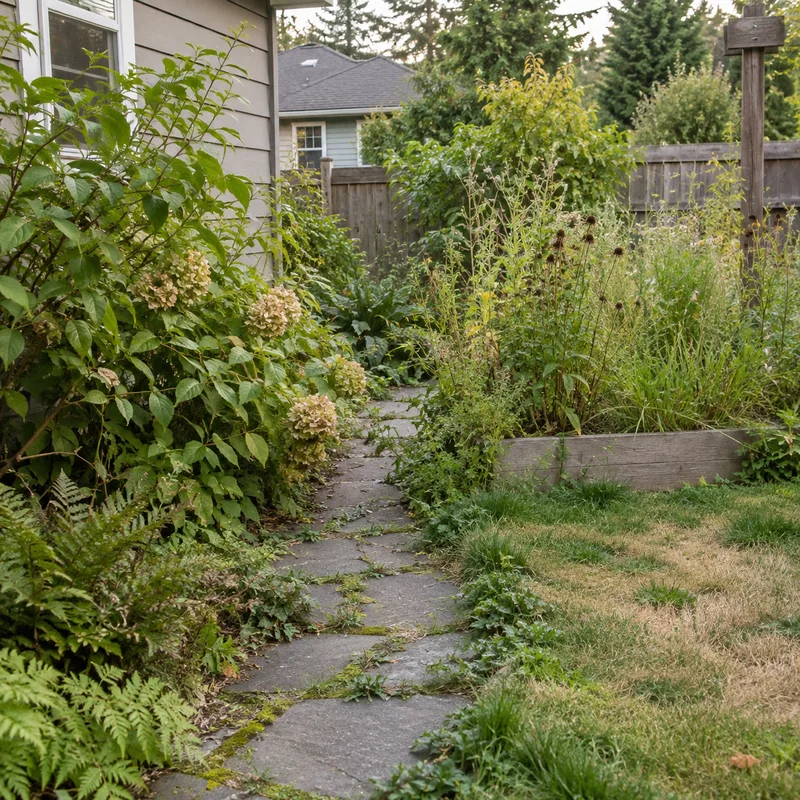
List the everyday uses: play, seating, a path, garden access or a lower-maintenance planting area. Note locations where water collects and features you want to retain. Ask which existing trees, surfaces or irrigation components can remain after assessment. Photographs taken during different conditions can help explain the problem without guessing its cause. Establish the project boundary before selecting finishes, because a change to grade, drainage or access may affect more than the visible area being updated.
| Decision | What to record |
|---|---|
| Function | Uses, retained features and maintenance preferences |
| Site | Drainage, preparation and access |
| Care | Watering, follow-up and product requirements |
Resolve drainage and site preparation
Discuss the intended movement of water and the limits of the contractor's assessment. Persistent moisture or movement may require additional expertise before a surface is rebuilt. Ask how soil, existing utilities and adjoining property constraints affect the plan. Record what preparation is included under planting beds, lawn or hardscape. A proposal focused only on the finished product can omit the work that makes it practical. Do not assume water can be redirected without considering the property and applicable requirements.
Price access and installation separately from products
Ask how equipment and materials reach the area and where they will be stored. A narrow gate, occupied driveway or need to protect retained landscaping can change labor and staging. Specify plant sizes, surface quantities, edging and the actual materials proposed. Compare removal and disposal boundaries as well as delivery. If irrigation is included, ask which areas and controls are covered. Keep optional aesthetic upgrades separate from work needed to make the site usable.
Plan care after the crew leaves
Establish watering, establishment and maintenance responsibilities for new planting and lawn. Ask for care instructions suited to the selected products and plants rather than a generic no-maintenance promise. Clarify any follow-up visits, seasonal limitations and warranty conditions. At the walkthrough, review grades, access, controls and the scope actually installed. A low construction price can be a poor fit if the finished space requires more care than the household can provide. Compare long-term use alongside the initial total.
Common questions
Should I keep mature plants when remodeling a yard?
Retain suitable plants when their condition and the new plan allow it. Ask how construction access, soil changes and protection requirements affect them before assuming they can stay unharmed.
Why does access change a landscaping estimate?
Access affects equipment, delivery, staging and protection of existing features. Two sites with the same material quantities can require different handling and labor.
Can new planting fix a drainage problem?
Do not assume so. Identify the drainage condition and obtain an appropriate plan before covering the area with new plants or finishes.
Ready to describe your project?
Start with what you know. You can add photos and more details along the way.
Start your project →