QUICK ANSWER
Decide the layout, cabinet approach and appliance requirements before requesting final estimates. Keep uncertain conditions and owner purchases visible alongside the quoted construction price.
Start with what stays in place
Record whether the sink, range, refrigerator and walls will remain where they are. Moving an item may affect more than its connection: flooring, cabinetry, ventilation and surrounding finishes can also change. Ask the contractor to explain the difference between keeping the layout and altering it. Foundation type, access and the existing installation affect the work, so a sketch alone cannot establish the full cost. Request separate options when the layout decision is still open.
| Decision | What to record |
|---|---|
| Layout | Retained locations versus relocated fixtures |
| Products | Cabinets, countertop details and appliance models |
| Total budget | Quoted work, owner purchases and uncertainty |
Define the cabinet and countertop package
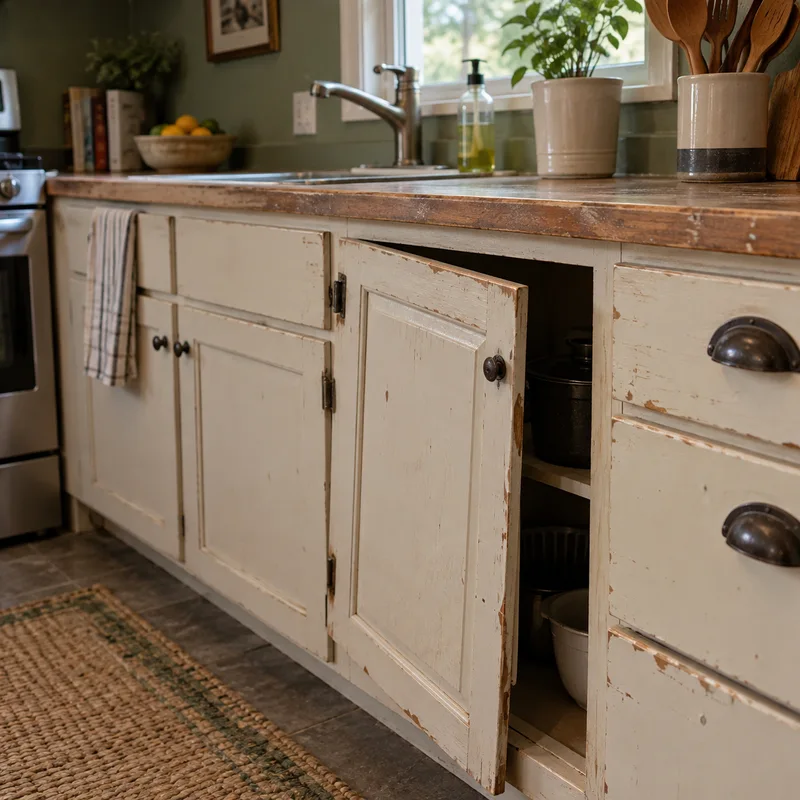
Compare retained cabinets, refacing and replacement as distinct scopes. Existing boxes need assessment before assuming they are suitable for new fronts or counters. For replacement, specify the cabinet line, finish, hardware, fillers and installation details. Countertops bring their own measurements, edges, seams, delivery and cutouts. Ask whether removal of the old surfaces and temporary arrangements are included. Product allowances should reflect the selections you expect to make, rather than making the initial estimate look cheaper than the eventual project.
Coordinate appliances and concealed work
Choose appliance models early enough for the proposed cabinetry, electrical and ventilation work to be checked together. Ask the appropriate trades to assess existing capacity and connections instead of assuming a new appliance simply fits the old arrangement. Discuss how damaged flooring or conditions behind cabinets will be evaluated if they become visible. Older finishes may need a safety assessment before disturbance. Keep investigation and possible corrective work as explicit items so additional decisions can be approved before they affect installation.
Compare the complete cost of finishing
Construction is only part of the household budget. Include appliances you buy directly, delivery, permits where required, disposal, painting, temporary cooking arrangements and any related restoration. Ask when the selected cabinets must be available before demolition can sensibly start. Review who owns measurement and ordering errors and what a late product change would affect. A reserve for uncertainty should be based on the conditions of your project, not a universal percentage presented as a guarantee that surprises will be affordable.
Common questions
Can I get a reliable price from kitchen photos?
Photos help explain the intended work, but a final estimate may require measurements and checks of connections and existing conditions. Use an early quote as a starting point until its assumptions are confirmed.
Is refacing always cheaper than replacement?
It can reduce the scope when existing cabinets are suitable, but compare the actual fronts, repairs, hardware and finish work. Cabinet condition and desired layout may make another option more appropriate.
Should I buy appliances before choosing a contractor?
Choose likely models early and coordinate their specifications with the project team. Confirm measurements, connection requirements and who orders each item before committing to delivery dates.
Ready to describe your project?
Start with what you know. You can add photos and more details along the way.
Start your project →