QUICK ANSWER
Compare the full operating assembly and the findings behind the recommendation. Leave springs, counterbalance components and unsafe moving doors to qualified professionals.
Explain the symptom without testing an unsafe door
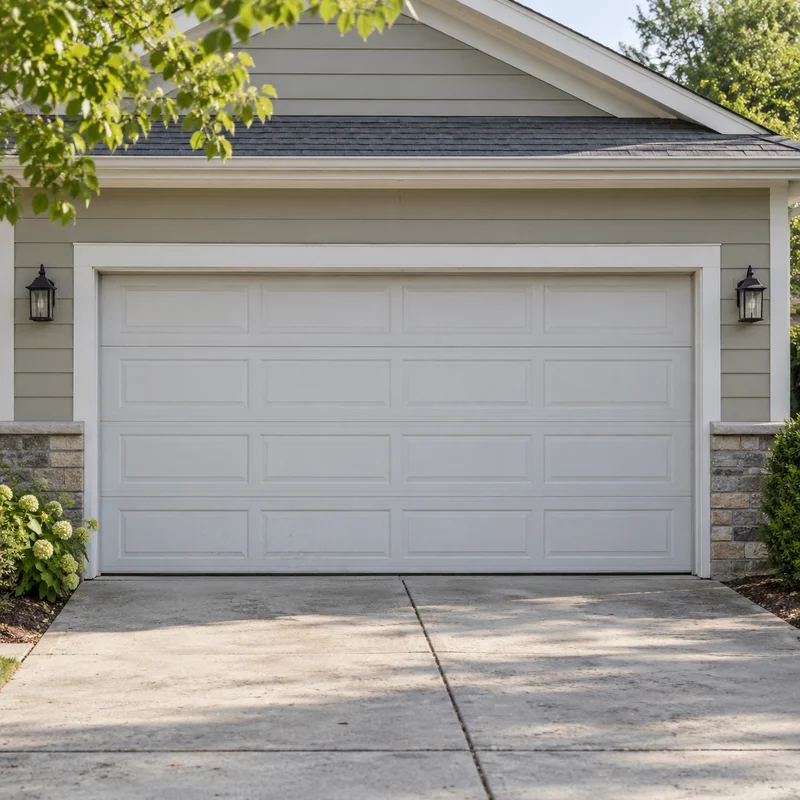
Record when the issue occurs, unusual sounds and visible damage from a safe position. Note whether the concern involves a panel, control or the door's movement. If the door is unstable or components appear damaged, keep people clear and arrange qualified help rather than repeating operation to demonstrate it. Photographs of accessible areas can provide context, but they do not replace an assessment. Do not attempt spring or counterbalance work as a way to narrow the estimate.
| Decision | What to record |
|---|---|
| Diagnosis | Door, hardware, opener and control findings |
| Package | Dimensions, compatible products and connected work |
| Handover | Operating checks and maintenance boundaries |
Ask which components have been assessed
Have the contractor distinguish door condition from hardware, track, counterbalance, opener and control concerns. Request the observations supporting a localized repair and the reasons a broader replacement might be needed. A new opener does not explain away an unresolved mechanical condition. Ask whether proposed parts are compatible with the retained assembly and what limits remain after repair. Compare the recommendation with the complete assessment rather than deciding from the price of a single visible component.
Define the replacement package
For replacement, record opening dimensions, product construction, selected finish, hardware and operating equipment. Ask what framing, electrical or surrounding finish work is required and who performs it. Clarify removal and disposal of the existing door and accessories. Product features such as windows or added insulation can change the package being compared, so keep them explicit. Confirm who measures and checks the delivered product; an attractive catalog model is not a substitute for a door that fits the assessed opening.
Include final checks and maintenance guidance
Ask what operating and safety checks the installer will perform in accordance with the applicable equipment requirements. Request a demonstration of normal use and instructions for reporting a problem. Obtain the product and workmanship documents and clarify which business handles service. Keep the homeowner's routine care separate from adjustments requiring expertise. When evaluating cost, include those installation and handover responsibilities rather than assuming the cheapest product price also represents a complete, safely commissioned job.
Common questions
Should a broken spring be a DIY repair?
No. Spring and counterbalance components can store dangerous energy. Keep people clear of unsafe equipment and arrange a qualified technician rather than attempting adjustment or removal.
Does replacing the opener solve every operating problem?
No. Door, hardware, counterbalance and controls should be assessed together. Ask what the diagnosis shows before replacing one component.
What should a complete replacement estimate include?
The selected door, compatible operating components, installation, removal, any connected work and the final checks should be defined. Record exclusions and responsibility for surrounding restoration.
Ready to describe your project?
Start with what you know. You can add photos and more details along the way.
Start your project →