QUICK ANSWER
Define the cause and the repair boundary before choosing the finish. Persistent movement or uncertainty around a structural element needs qualified assessment, not an assumption that a surface patch is sufficient.
Record where and how the condition appears
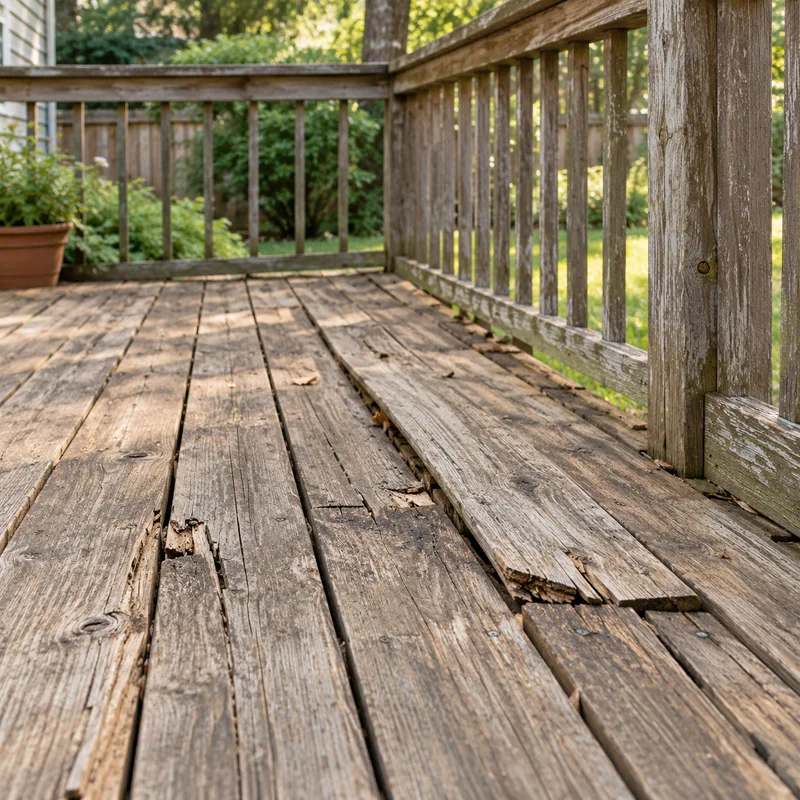
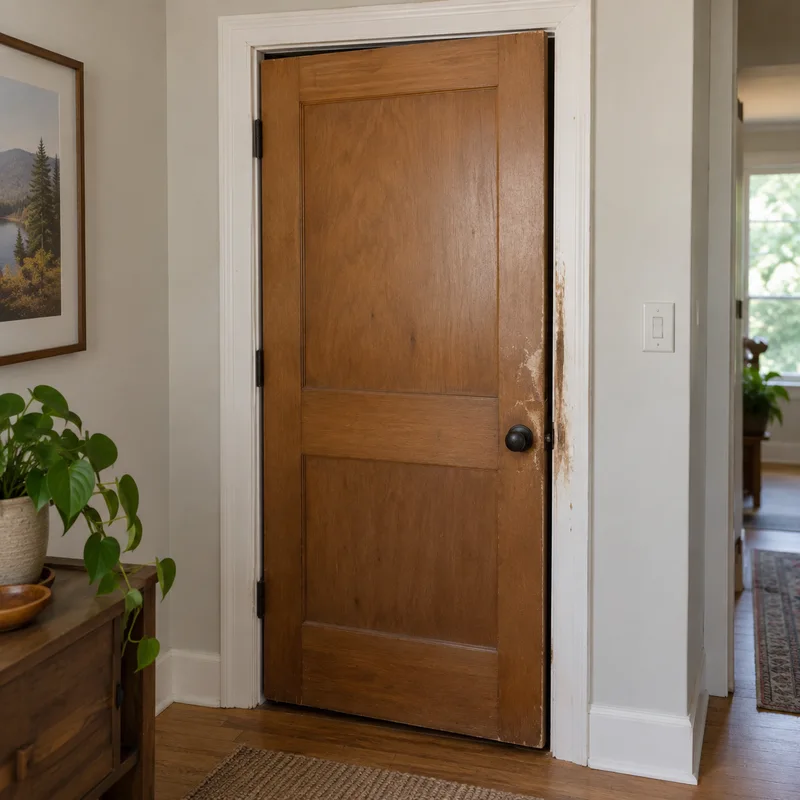
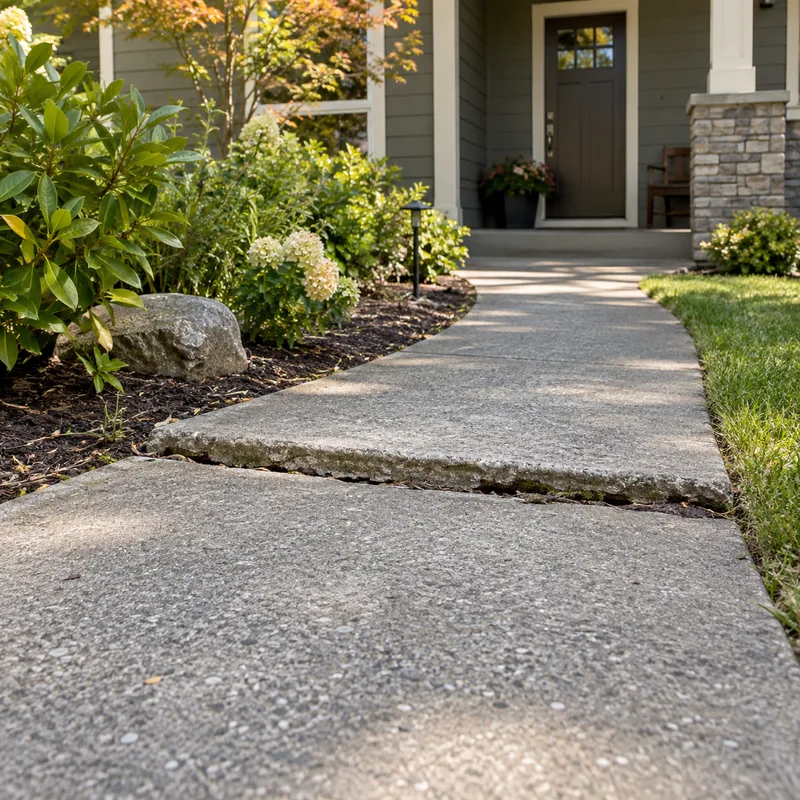
Photograph accessible affected areas and note changes over time, nearby drainage and how the space is used. A cracked decorative surface is different from a concern involving a retaining wall, foundation or another load-bearing component. Ask which observations can be assessed by the repair contractor and which require additional expertise. Avoid treating the size of a visible crack as a universal diagnosis. The estimate should describe the condition addressed and any limits on what has been investigated.
| Decision | What to record |
|---|---|
| Assessment | Location, use and movement concerns |
| Preparation | Base, compatibility and drainage |
| Return to use | Curing, access and maintenance instructions |
Compare preparation and supporting conditions
Ask how existing material will be removed or prepared and what supporting work is included. For a path or slab, discuss the base, drainage and the transitions to retained surfaces. For masonry, identify the existing materials and compatibility of the proposed repair. A finish can look new while a contributing condition remains, so ask how the scope addresses recurrence. Keep investigation and any uncertain supporting condition as defined stages rather than burying them inside an unspecified patch price.
Specify the usable result
Record dimensions, intended use, surface finish and important edges or connections. Clarify how thresholds, steps, adjoining paving and water movement will be affected. Discuss access for removal, equipment and material delivery, including protection of the surrounding property. Compare full boundaries rather than product quantities alone. A replacement option may change the shape or elevation of an area; confirm those decisions before the work removes the existing reference points and makes a late change harder to manage.
Plan curing, access and final documentation
Ask when the area can be walked on, loaded or returned to normal use under the product and installation requirements. Establish temporary routes and barriers where needed. Request maintenance instructions and an explanation of the appearance or performance conditions the warranty covers. At the walkthrough, review drainage, transitions and the agreed finish without assuming every later change is automatically a defect. Retain photographs and the scope so a future concern can be compared with what was actually installed.
Common questions
Can every concrete crack simply be filled?
No. The cause, location and intended use affect the appropriate repair. Recurring movement or a structural concern may need assessment beyond a surface treatment.
Why does preparation affect the price?
Removal, supporting material, access, drainage and connecting to retained surfaces can require substantial work. Compare those boundaries alongside the visible repair area.
Can I use the repaired area immediately?
Follow the installer's and product's requirements for return to use. Walking, equipment loads and vehicle traffic may have different timing; obtain that guidance before scheduling access.
Ready to describe your project?
Start with what you know. You can add photos and more details along the way.
Start your project →