QUICK ANSWER
Compare the complete shower, plumbing, ventilation and finish package. A price for visible tile and fixtures alone does not explain the cost of a functioning bathroom.
Separate refresh work from rebuilding
List the fixtures and finishes that will stay and those that will be removed. Replacing a vanity in the same position is different from moving a drain or changing a tub into a shower. Ask how the proposed layout affects access, floor work and adjoining finishes. Keep cosmetic improvements separate from correcting existing damage so you can decide what is essential. If the only bathroom will be unavailable, include the practical arrangements needed during demolition, inspections and curing time.
| Decision | What to record |
|---|---|
| Scope | Refresh, replacement or layout change |
| Hidden work | Substrates, water management and connected trades |
| Handover | Checks, restoration and care documents |
Look behind the tile allowance
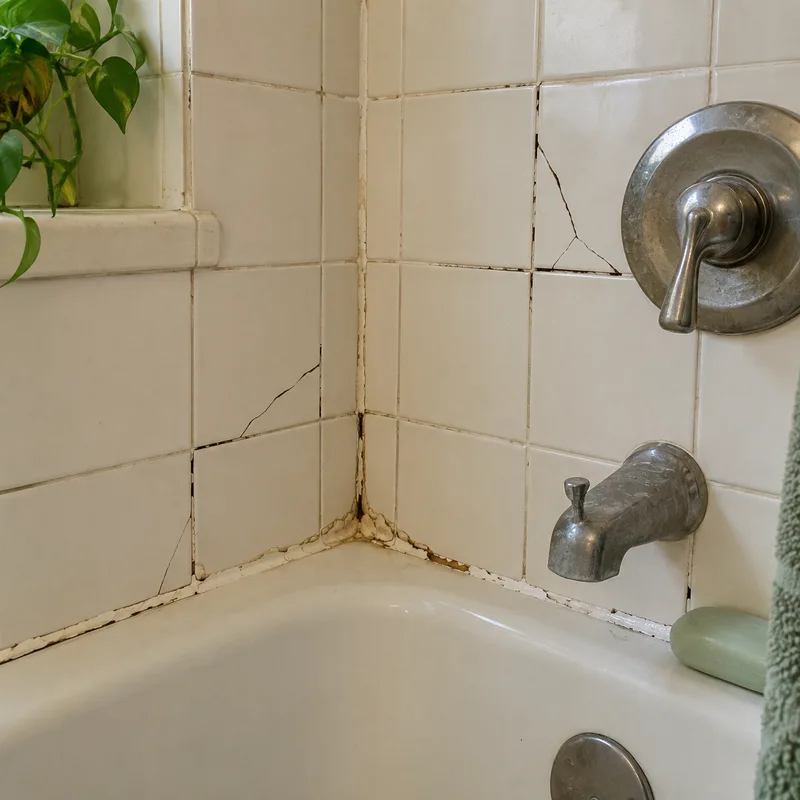
A shower proposal should describe the assembly, not just the tile selection. Ask who assesses the supporting surfaces, what water-management system is specified and how transitions, penetrations and drainage are coordinated. Record the tests or checks that will be completed before the finish hides the work. Product compatibility and installation requirements matter more than a generic promise of waterproofing. If damage is found after opening the room, the contractor should explain the added repair boundary before extending the work.
Price the connected trades together
Confirm which plumbing, electrical and ventilation tasks are included. Moving fixtures, adding lighting or replacing a fan can create associated work beyond the new product itself. Specify the fixture models, valves, controls and accessories early enough for compatibility to be reviewed. Ask whether permit applications and inspections are required and who handles them. Distinguish product delivery from installation readiness: a fixture can be on site while the rough-in work or a necessary approval is still incomplete.
Close the gaps in the estimate
Check removal, disposal, preparation, finish trim, painting, cleanup and any work outside the room. Ask how the vanity, counter, mirror and accessories are supplied and fitted. Record the process for approving concealed damage and product substitutions. Compare schedules using the same scope; an estimate that excludes restoration may appear both faster and cheaper. At handover, ask for care instructions and the records relevant to the installed systems rather than treating a clean surface as the only completion milestone.
Common questions
Why do small bathrooms still cost a lot?
Even a small room can require several trades, demolition, preparation and a complete shower assembly. Floor area alone does not explain the installation sequence or the condition of concealed work.
Can I save money by keeping the layout?
Keeping fixture positions may reduce connected work, but existing conditions still need assessment. Ask for a comparison that shows which plumbing, electrical and finish tasks actually change.
Should waterproofing have its own line item?
The proposal should make the water-management assembly and its responsibilities clear, whether shown as a separate item or a defined package. Tile cost alone is not an adequate description.
Ready to describe your project?
Start with what you know. You can add photos and more details along the way.
Start your project →